**Friday Gaming Roundup: Changes in Xbox Marketing, Recent Releases, and More**
As the week comes to a close, we bring you an intriguing array of gaming news and updates. From Xbox discontinuing an unusual marketing campaign to new additions in popular games and forthcoming console information, here’s the latest in the gaming realm.
### Xbox Concludes ‘This Is An Xbox’ Marketing Initiative
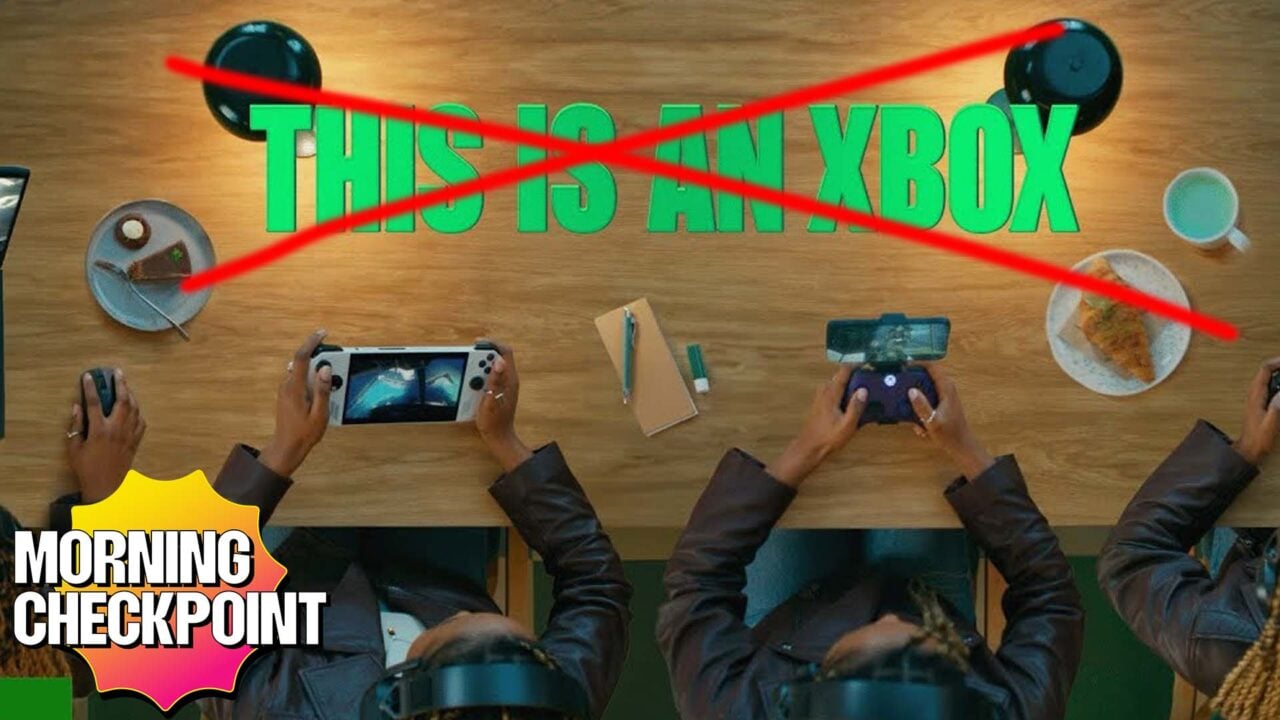
In a significant move, Xbox has opted to conclude its “This is an Xbox” marketing initiative after a considerable leadership overhaul earlier this year. Reports suggest that many within Xbox were not pleased with the initiative, which highlighted that players could enjoy Xbox games across multiple devices, including PCs and smartphones. This tactic coincided with Xbox’s attempts to port games to different platforms but was ultimately considered unproductive. As a part of this shift, prior blog entries mentioning the initiative have been predominantly erased from the internet, signaling a fresh approach for Xbox as it faces market hurdles and internal transformations.
### Valve Shares New Insights on Steam Machine / Steam Frame
At the Game Developers Conference, Valve unveiled more details regarding its forthcoming Steam Machine and standalone VR headset, the Steam Frame. These products aim to broaden Valve’s Verified program, enabling players to assess game compatibility through a clear verification process. Setting a minimum performance benchmark of 30 FPS at 1080p for verified titles, Valve’s strategy raises inquiries about whether this criteria will meet the expectations of gamers pursuing high-quality experiences. The much-anticipated launch later this year might lead to significant shifts in how users engage with PC gaming hardware.
### Teardown Receives Major Multiplayer Update on PC
The voxel-based destruction simulator, *Teardown*, has undergone a significant update, adding multiplayer capabilities. Currently available on PC and slated for release on Xbox Series X/S and PS5 later this year, the multiplayer mode accommodates up to 12 players and features various mods and game modes, enriching the game’s already dynamic setting.
### Mewgenics DLC Promises to Be ‘Significant’
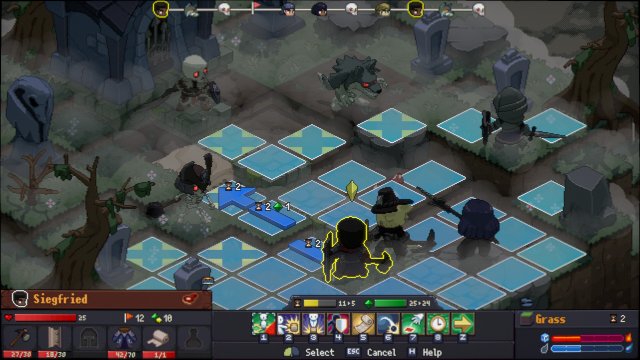
Edmund McMillen’s cherished strategic cat game, *Mewgenics*, is preparing for two forthcoming DLCs. The first is characterized as “small yet substantial,” poised to introduce new classes and over 300 new abilities. The anticipated second DLC may aim to further develop the game’s narrative and mechanics. With a release schedule looking towards late 2027, fans can anticipate substantial updates that improve their gameplay experience.
### Silent Hill 2 Remake Reaches New Achievement
The 2024 remake of *Silent Hill 2* has reached a remarkable milestone, with over 5 million users having experienced the game, according to Konami. This count includes those who engaged with the game through subscription services, showcasing the title’s extensive reach and influence. The remake has rekindled interest in the *Silent Hill* franchise, illustrating its lasting allure within the horror gaming category.
### Conclusion
As we approach the weekend, these updates provide merely a glimpse of the vibrant developments in the gaming industry. Whether you’re a supporter of Xbox, Valve, or indie games like *Teardown* and *Mewgenics*, there’s much to anticipate in the weeks ahead.